

 Dharohar Weaves
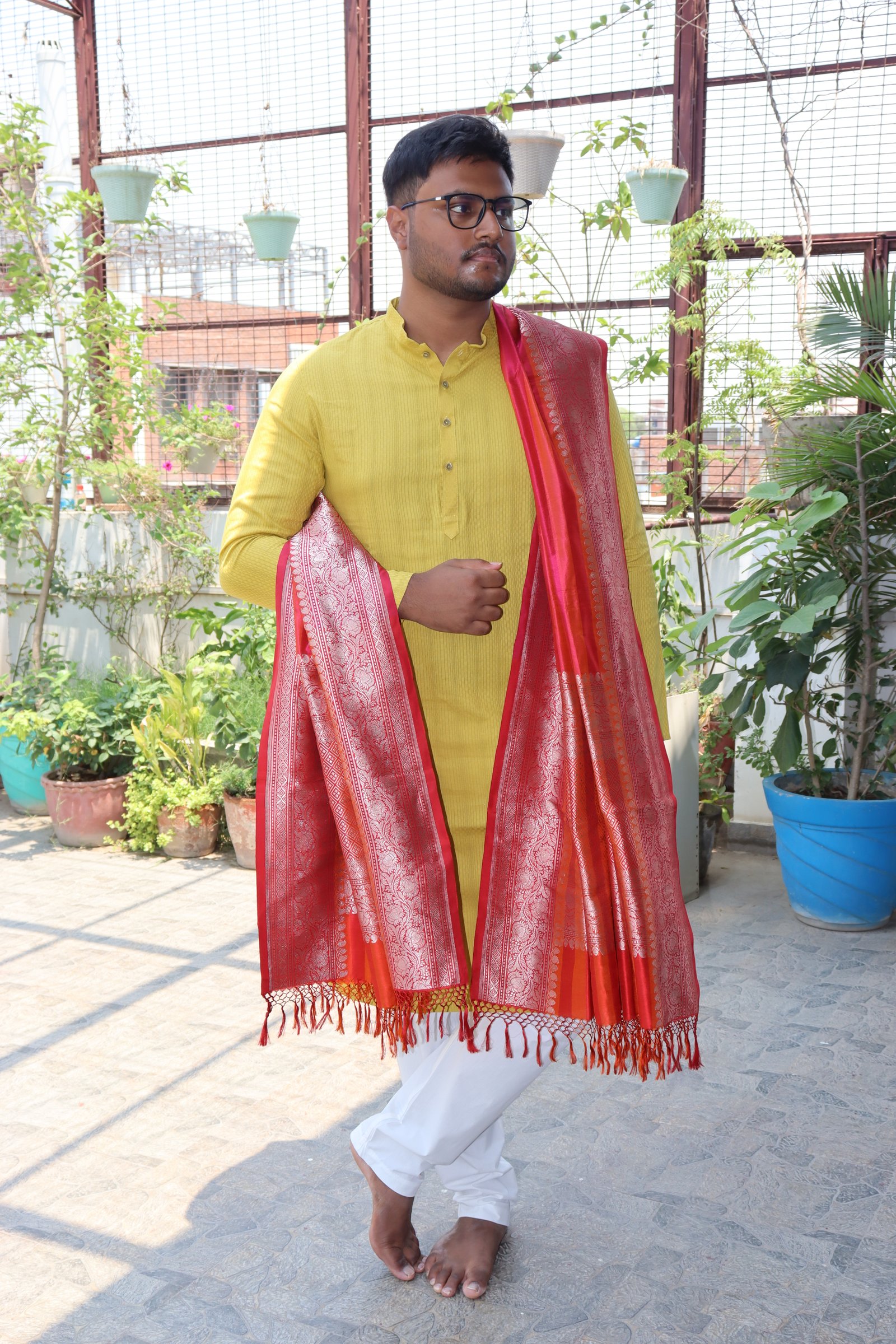
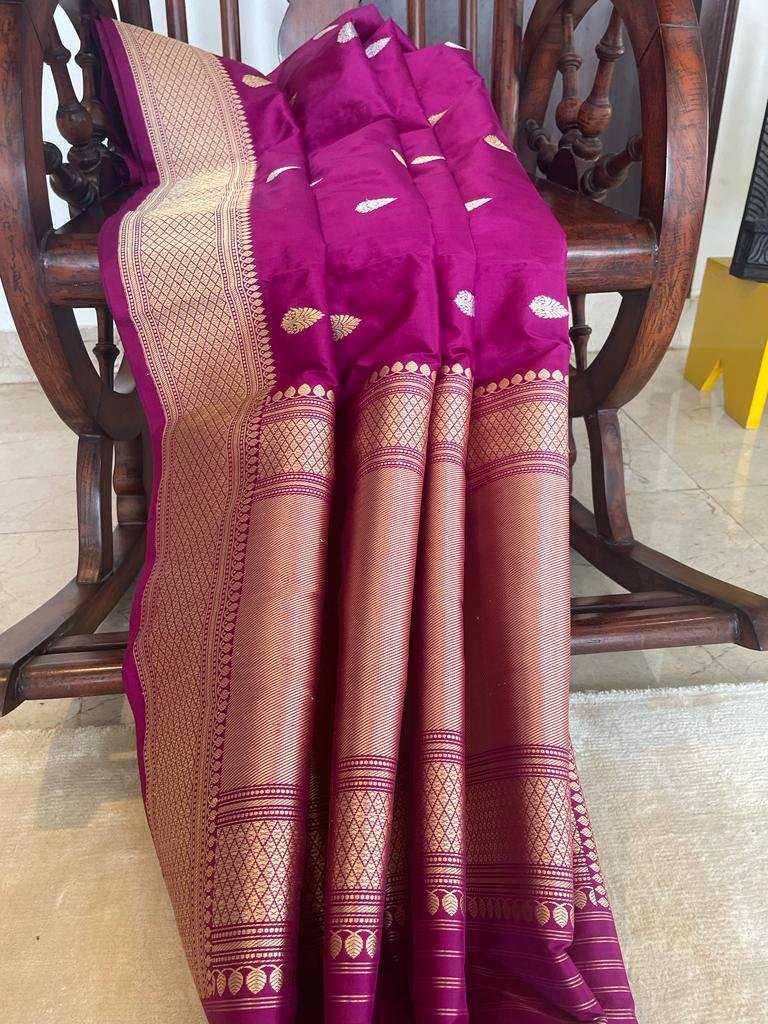
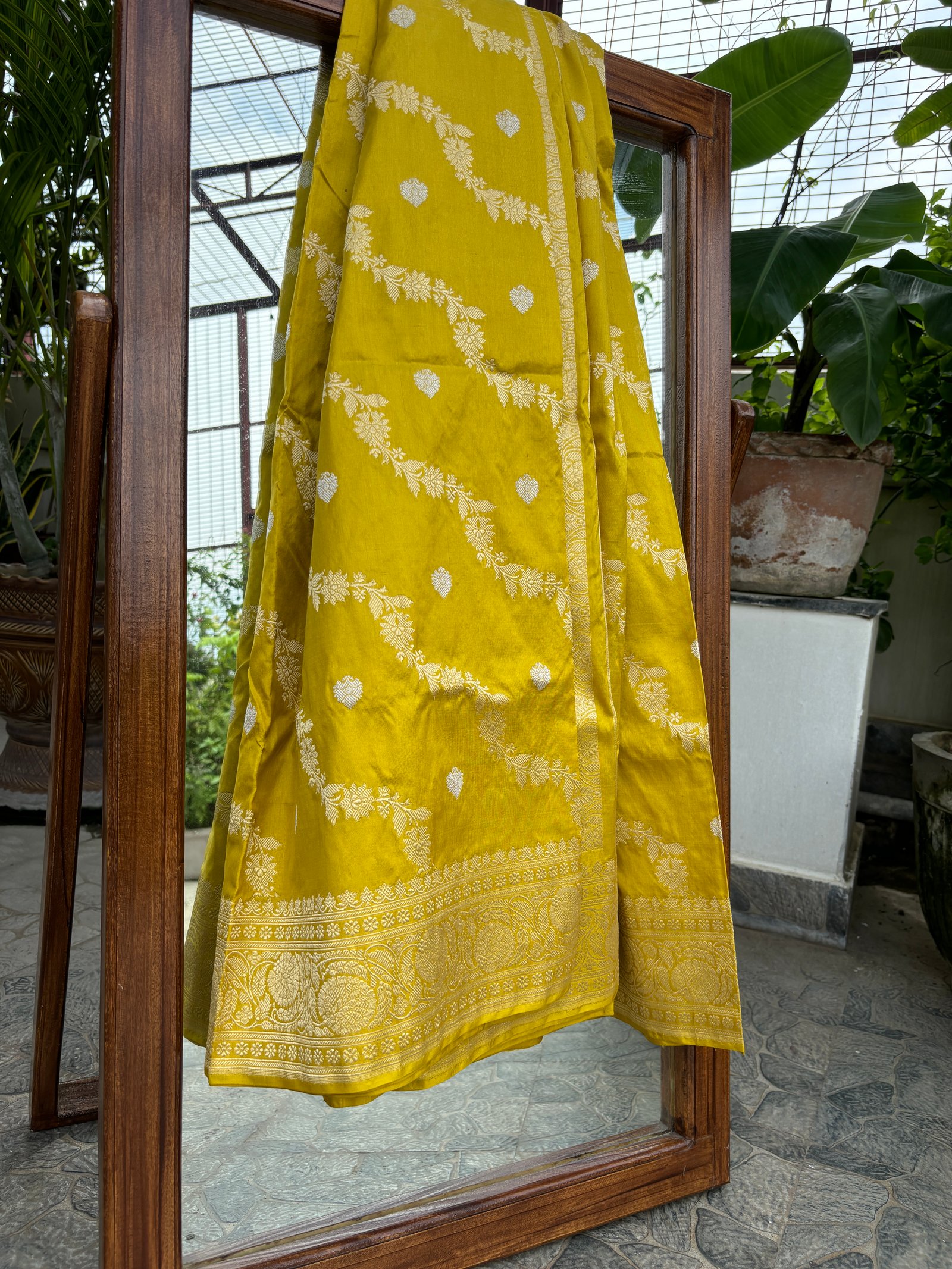
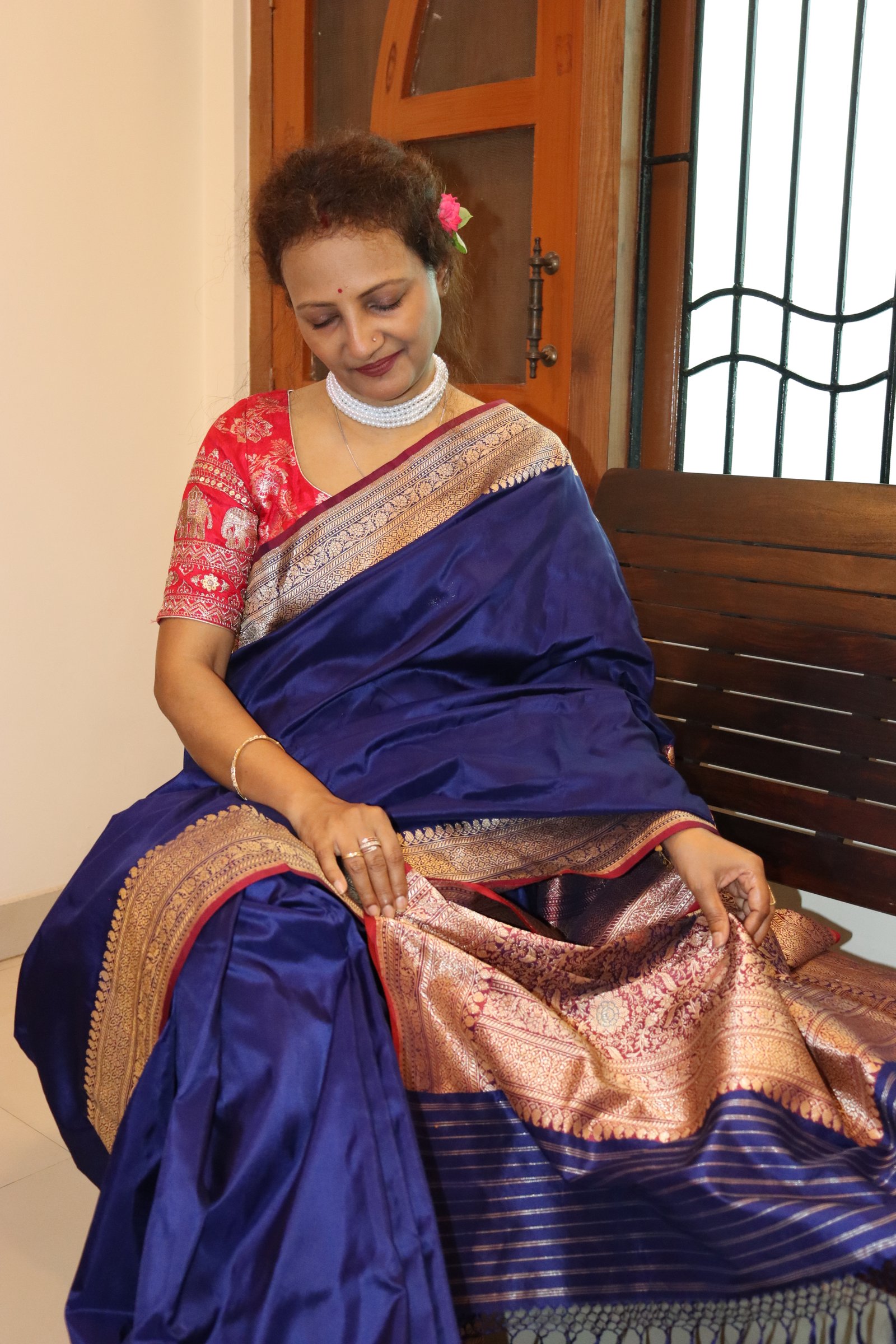
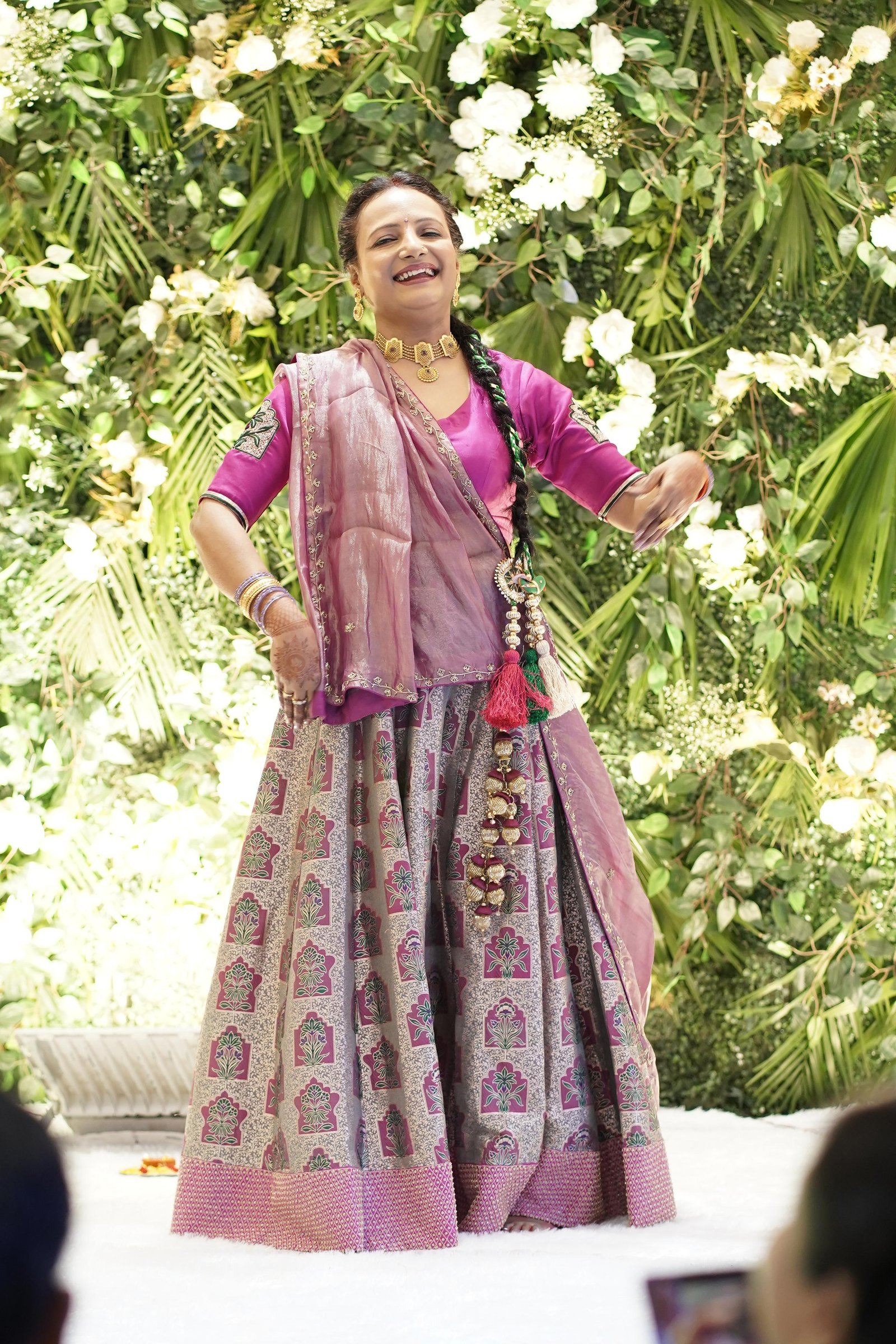
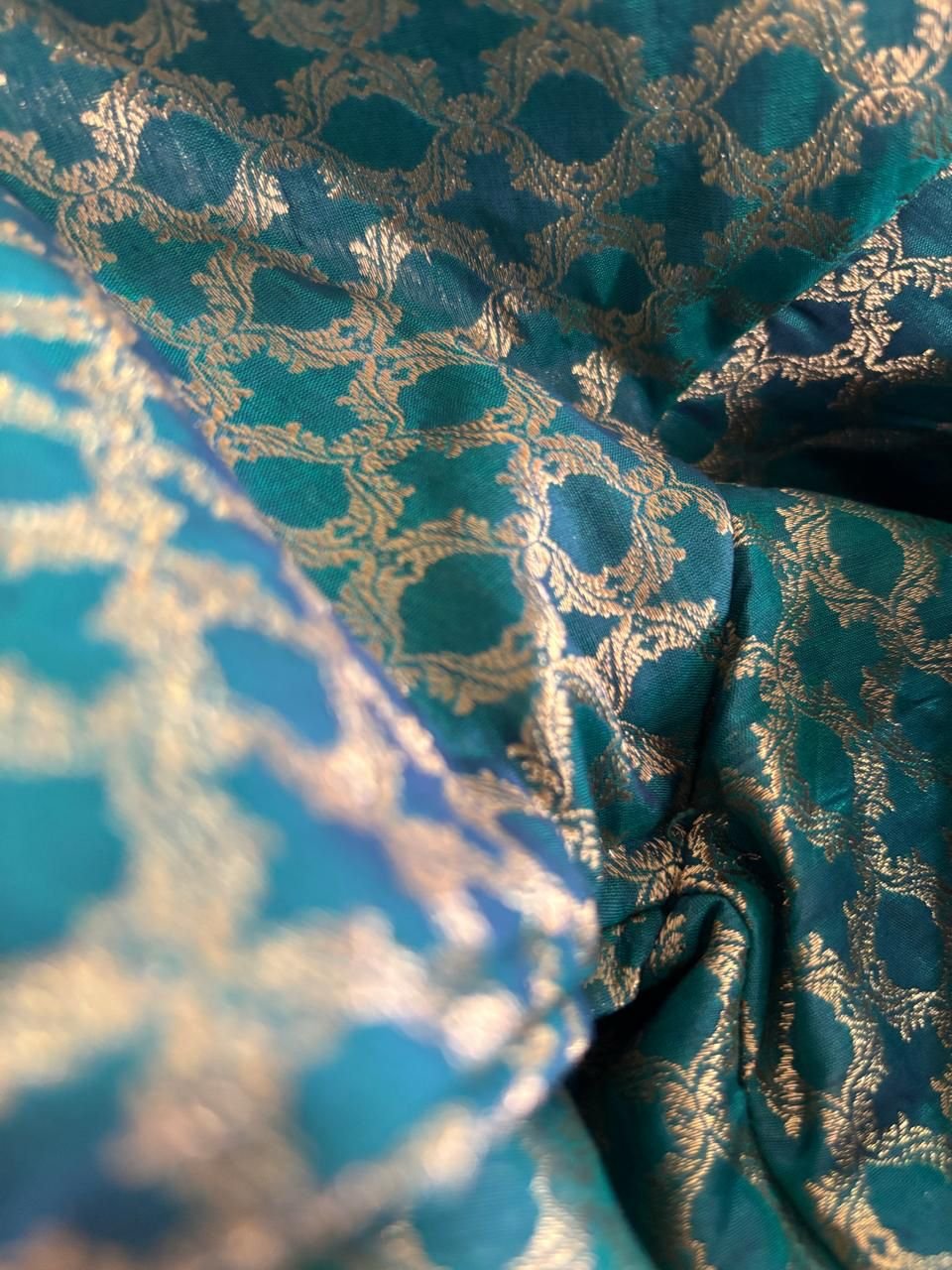
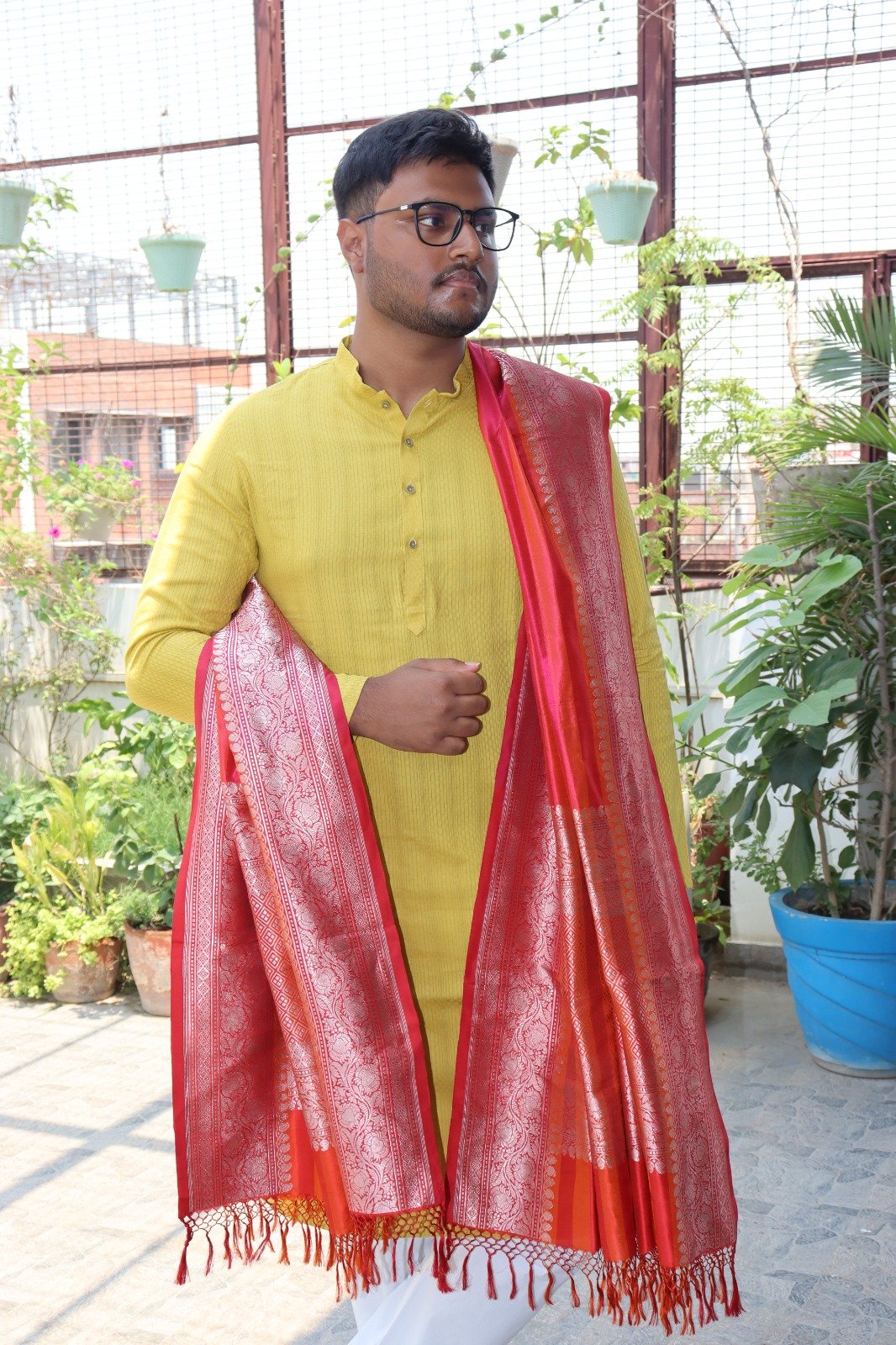
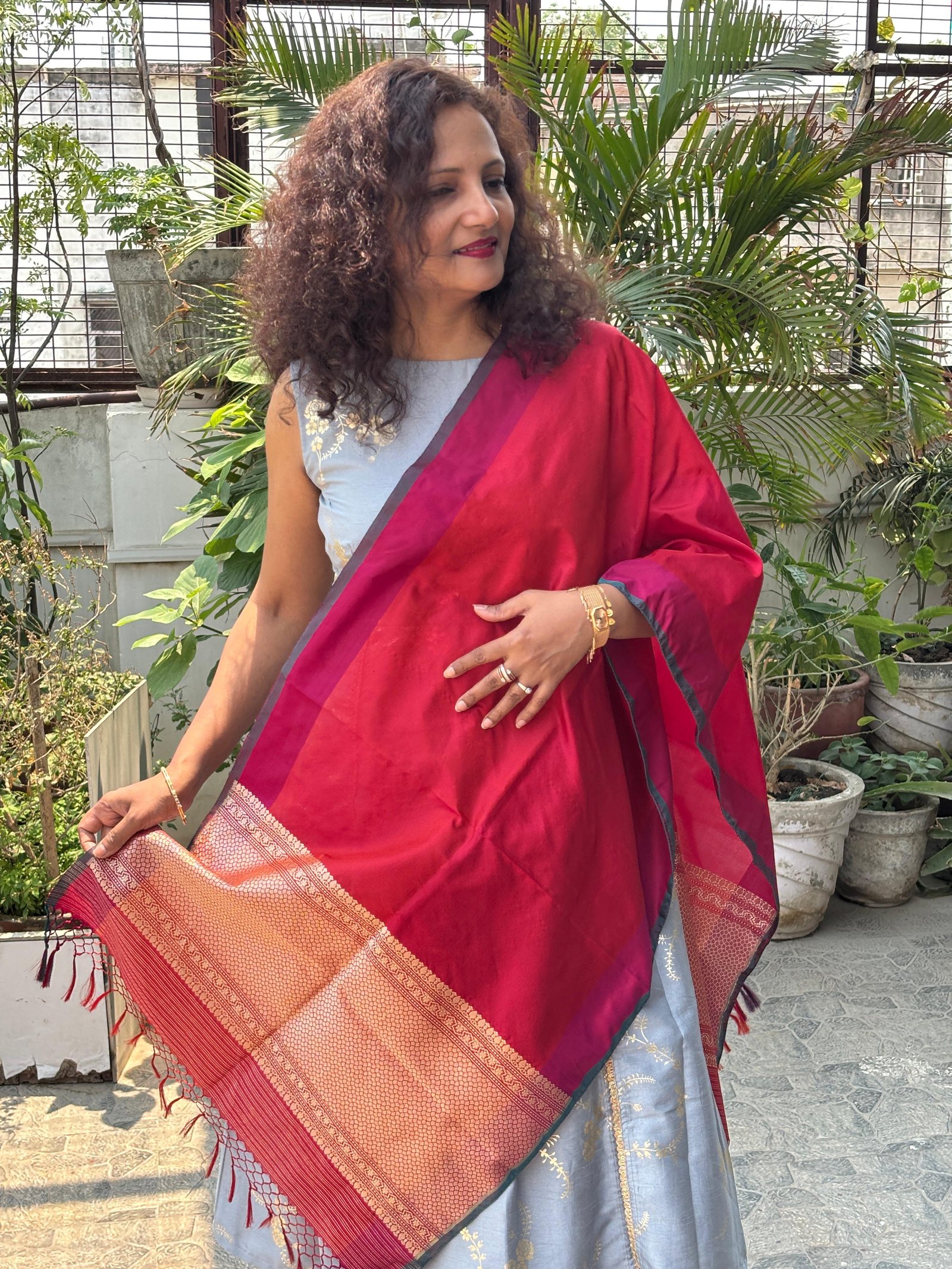
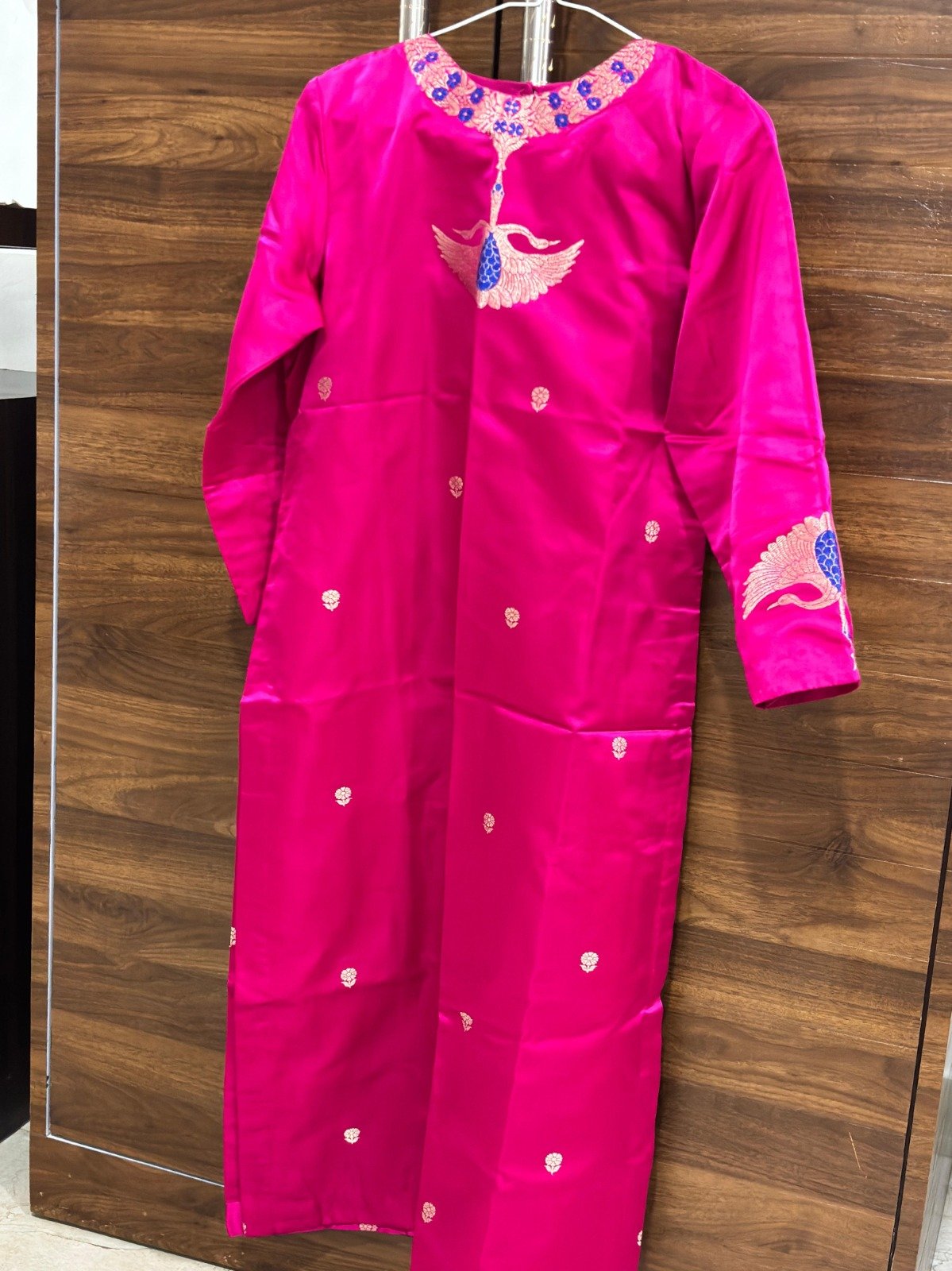
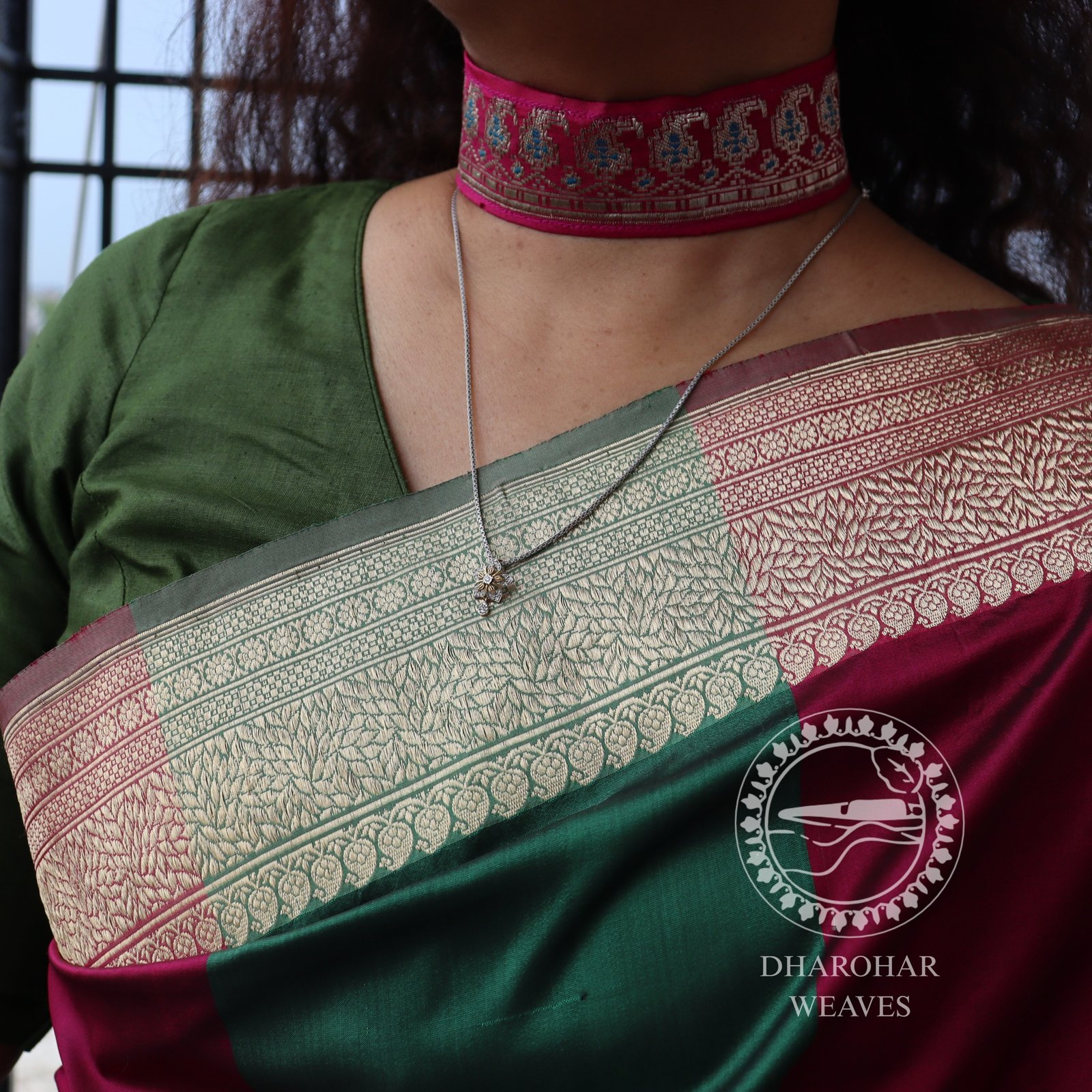

A Banarasi handwoven fabric is not merely a product.
It is patience translated into fabric, devotion woven into motifs, and generations of artistry preserved through the hands of master craftsmen.
At Dharohar Weaves, every creation begins long before the loom starts moving. Behind each weave lies an intricate journey of skill, tradition, mathematics, rhythm, and human emotion — a process that may take weeks, and sometimes even months, to complete.
This gallery takes you through that extraordinary journey.
1. Selecting the Raw Materials
The Foundation of Every Weave
Every Banarasi masterpiece begins with the careful selection of raw materials.
Pure silk yarns, zari threads, cotton support yarns, and natural or modern dyes are sourced with utmost precision. The character of the final fabric depends greatly upon the quality of these materials.
Different weaves require different silk preparations:
• Katan Silk undergoes a special twisting and refining process to create a smooth, lustrous, durable texture.
• Kora Silk retains a slightly crisp and translucent character.
• Raw Silk preserves the natural texture of silk without complete processing.
• Khadi Georgette involves a different yarn preparation technique that creates a lighter, textured drape.
Even before colours touch the yarn, artisans prepare and process the threads according to the desired weave and fabric structure.
Every thread is chosen not for speed, but for soul.
2. Dyeing the Yarns
Giving Colour to Imagination
Once prepared, the yarns are dyed in carefully selected shades.
The dyeing process requires remarkable precision. Temperature, timing, absorption, drying conditions, and thread handling all influence the final colour outcome.
Some shades demand multiple stages of dyeing to achieve the richness Banarasi textiles are known for.
Rows of freshly dyed yarn drying under the sky become a beautiful sight in themselves — almost like poetry suspended in colour.
3. Designing the Motifs
Where Art Meets Mathematics
Before weaving begins, the design is first imagined on paper.
Inspired by ancient art ,Mughal architecture, nature, flowers, creepers, paisleys, temples, royal courts, and centuries-old motifs and now many a times contemporary patterns the artisans create detailed design graphs manually or digitally.
Each tiny square on the graph represents a point in the weave structure.
This stage requires extraordinary understanding of:
• proportion,
• symmetry,
• colour interaction,
• and weaving limitations.
A Banarasi design is not simply drawn.
It is engineered for the loom.
4. Preparing the Punch Cards (Pattas)
The Memory of the Loom
Once the graph is finalized, the design is translated into a sequence of punch cards, traditionally known as Pattas.
These cards are meticulously punched hole by hole and arranged in a sequence. The punch cards control the lifting of threads in the jacquard loom, guiding the motifs during weaving.
Each saree may require hundreds — sometimes thousands — of punch cards depending on the intricacy of the design.
This process transforms artistic imagination into a mechanical rhythm that the loom can understand.
5. Setting the Loom
Preparing the Sacred Workspace
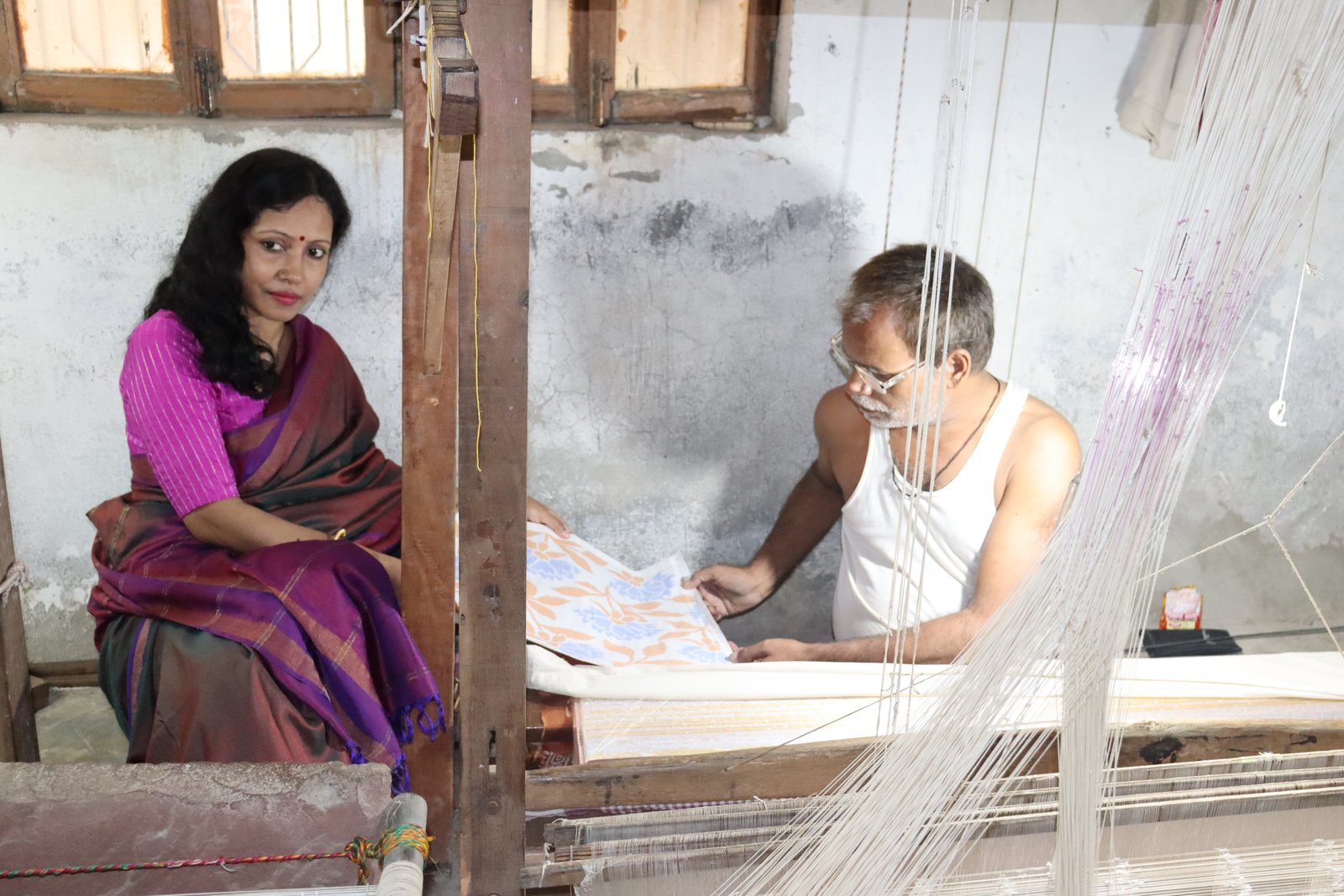
The prepared yarn is carefully mounted onto the loom.
Traditionally, Banarasi weaving is done on:
• Pit Looms — where the weaver sits in a pit below floor level, using body balance and foot movement for control.
• Frame Looms — a modern adaptation that reduces physical strain while preserving handweaving techniques.
The jacquard mechanism is attached above the loom, and the punch cards are installed in sequence.
Only after days of preparation does the actual weaving begin.
6. The Art of Weaving
Where Human Hands Create Luxury
Now begins the most extraordinary phase — weaving.
Depending on the weaving style, different techniques are employed:
Kadhua Weaving
A highly intricate technique where motifs are woven individually by hand, creating rich and detailed patterns.
Jungla Weaving
Known for elaborate floral vines and luxurious spread-out motifs inspired by royal Mughal aesthetics.
Tanchoi
A complex weave using multiple coloured weft threads to create dense, delicate patterns without floating threads at the back.
Iktara
A technique celebrated for fine detailing and elegant texture variations.
Some sarees can be woven by a single artisan.
Others require two weavers working together in perfect rhythm.
The loom moves slowly.
Every inch demands concentration.
Every motif emerges thread by thread.
A simpler weave may take several days.
A highly elaborate masterpiece may take weeks or even months.
This is not mass production.
This is living heritage.
7. Finishing the Saree
The Final Touch of Grace
Once weaving is complete, the saree undergoes careful finishing.
Loose threads are refined, textures are checked, folds are set, and the fabric is gently prepared for presentation.
Only after passing through experienced hands does the final piece emerge — ready to become part of someone’s story.
More Than a garment
A Banarasi handwoven textile carries:
• the wisdom of generations,
• the rhythm of the loom,
• the patience of artisans,
• and the silent dedication of families who have preserved this craft for centuries.
When you choose handloom, you do not simply purchase fabric.
You support livelihoods, preserve heritage, empower artisans, and keep an ancient tradition alive.