 Dharohar Weaves
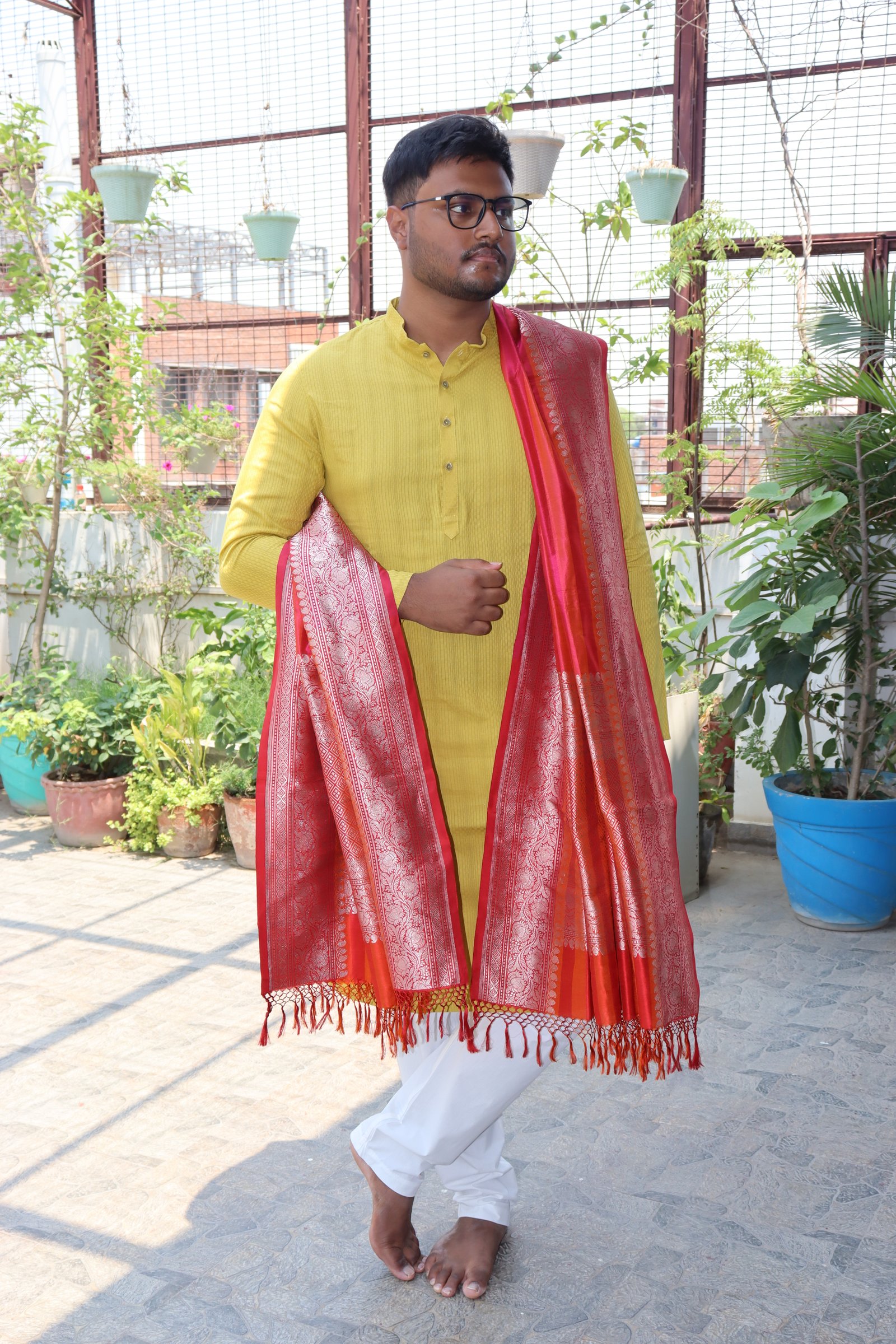
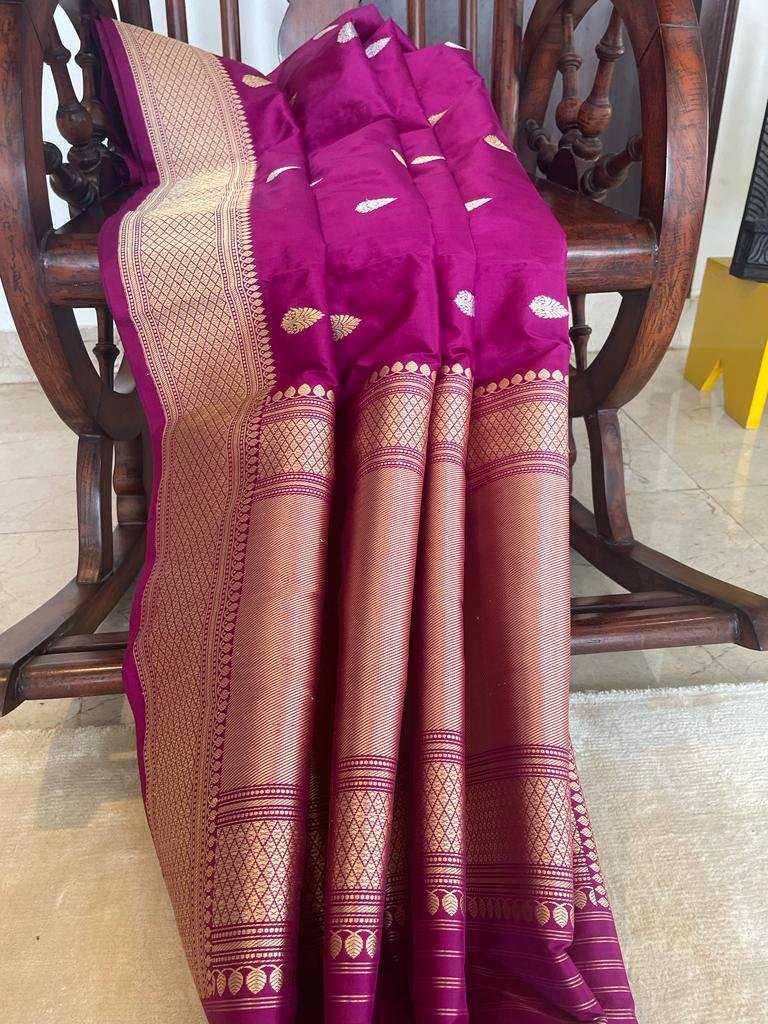
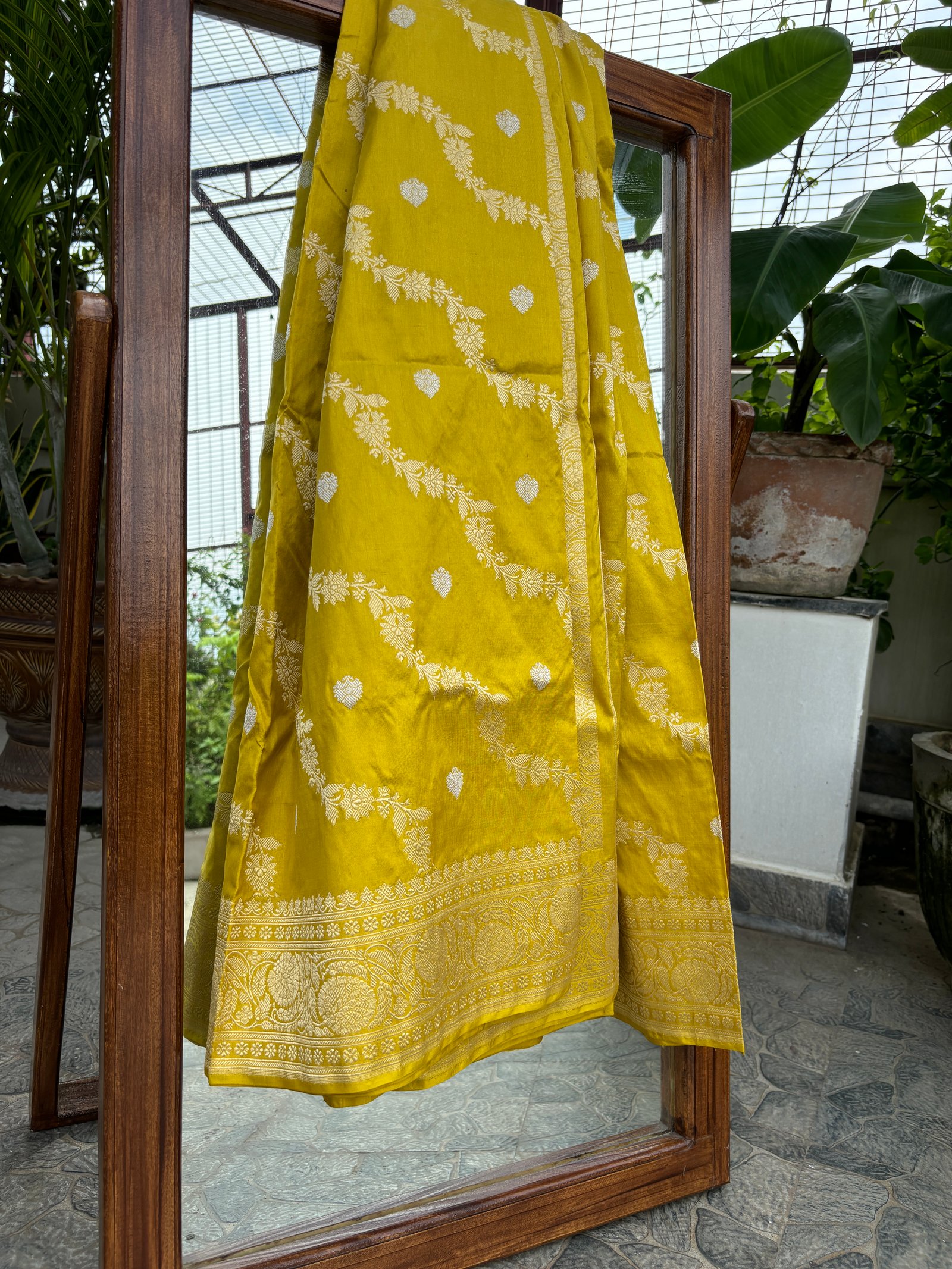
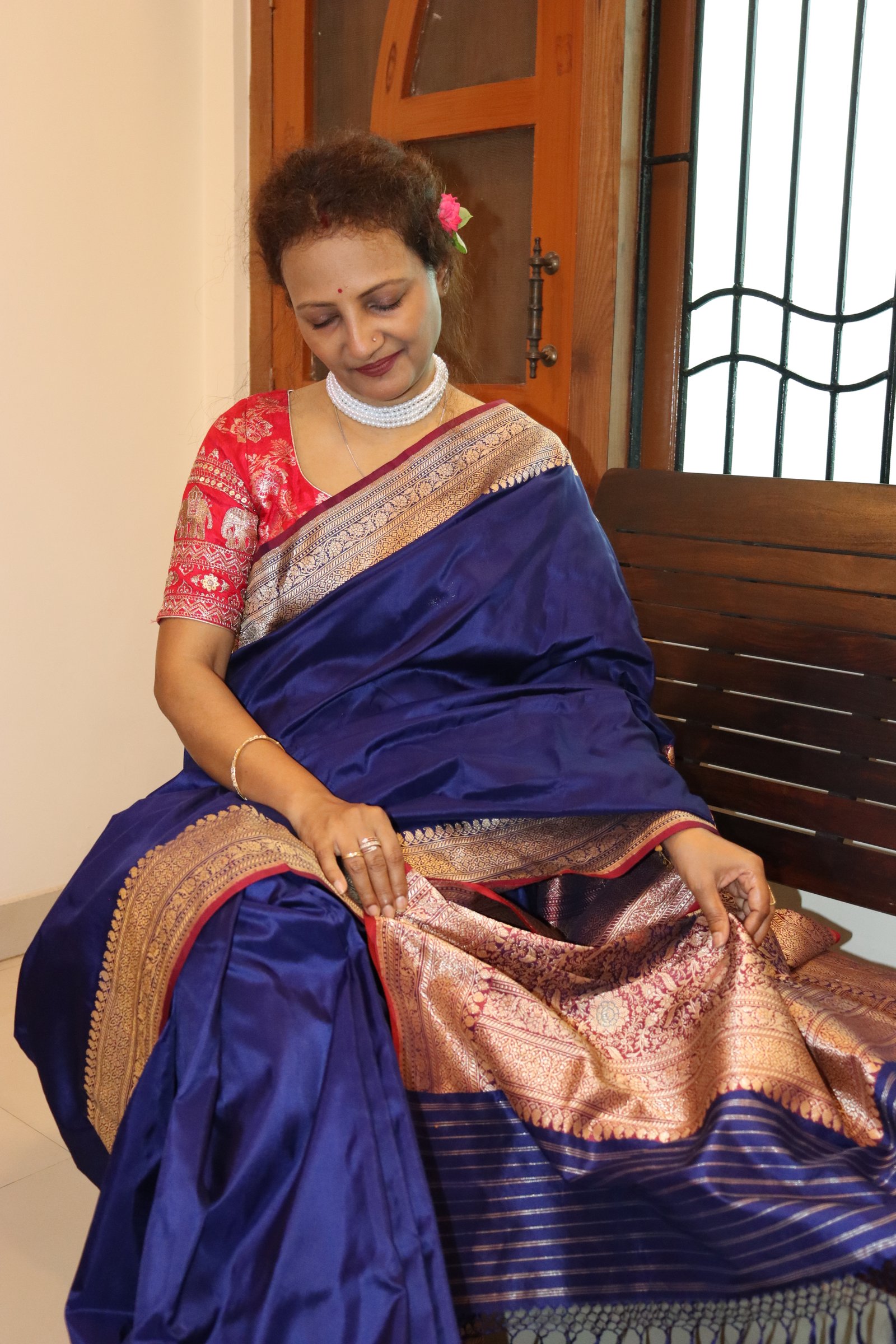
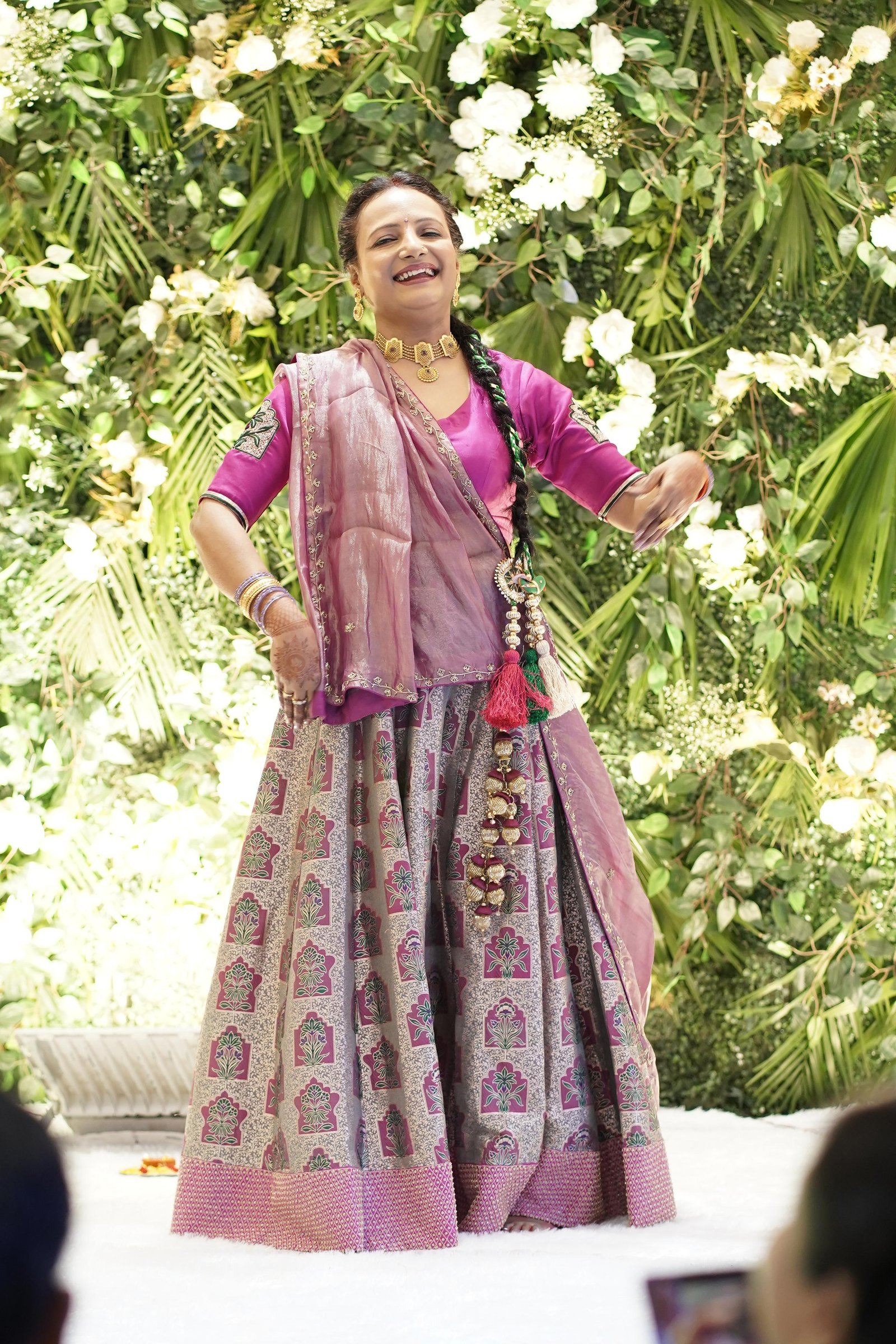
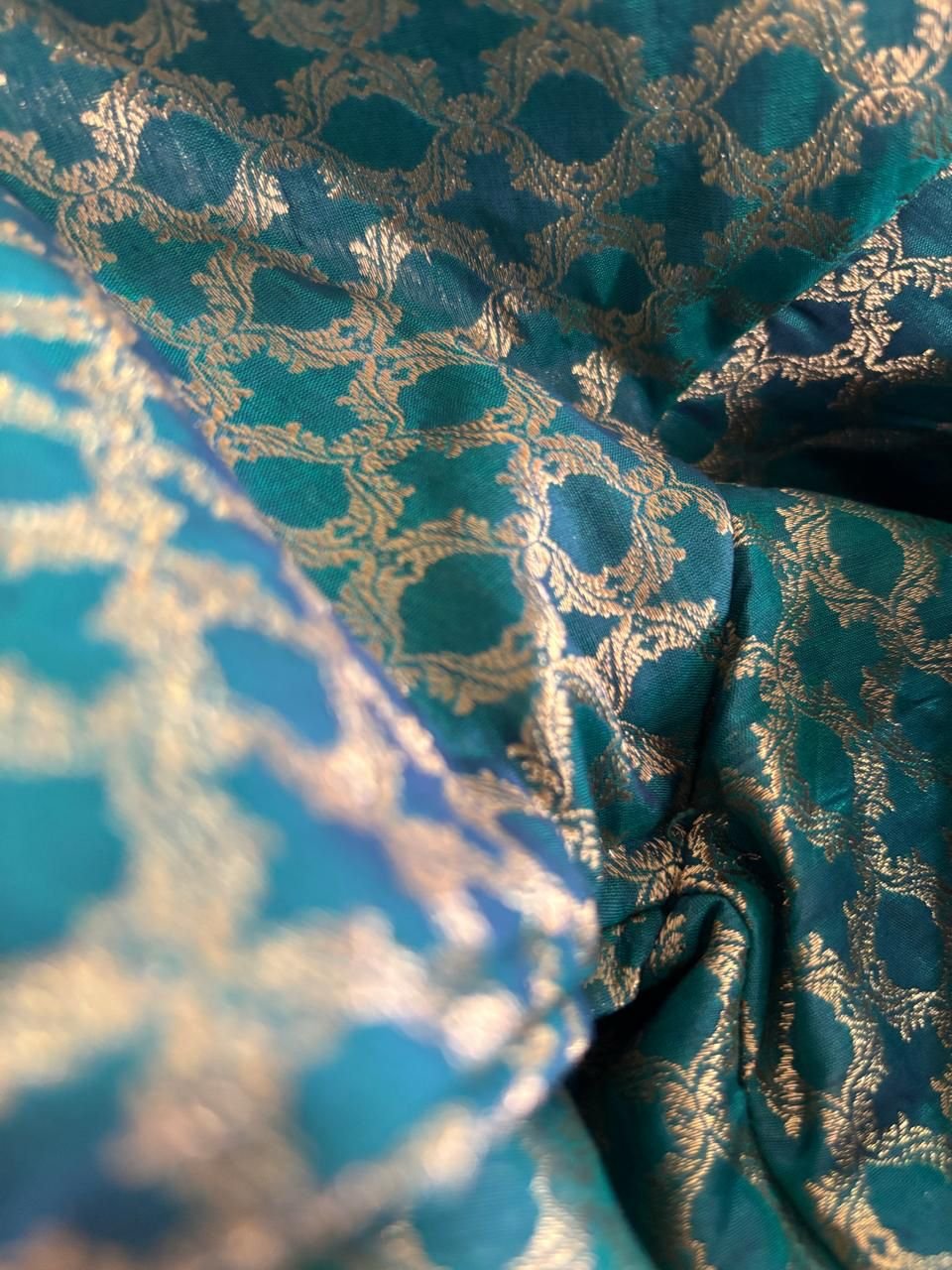
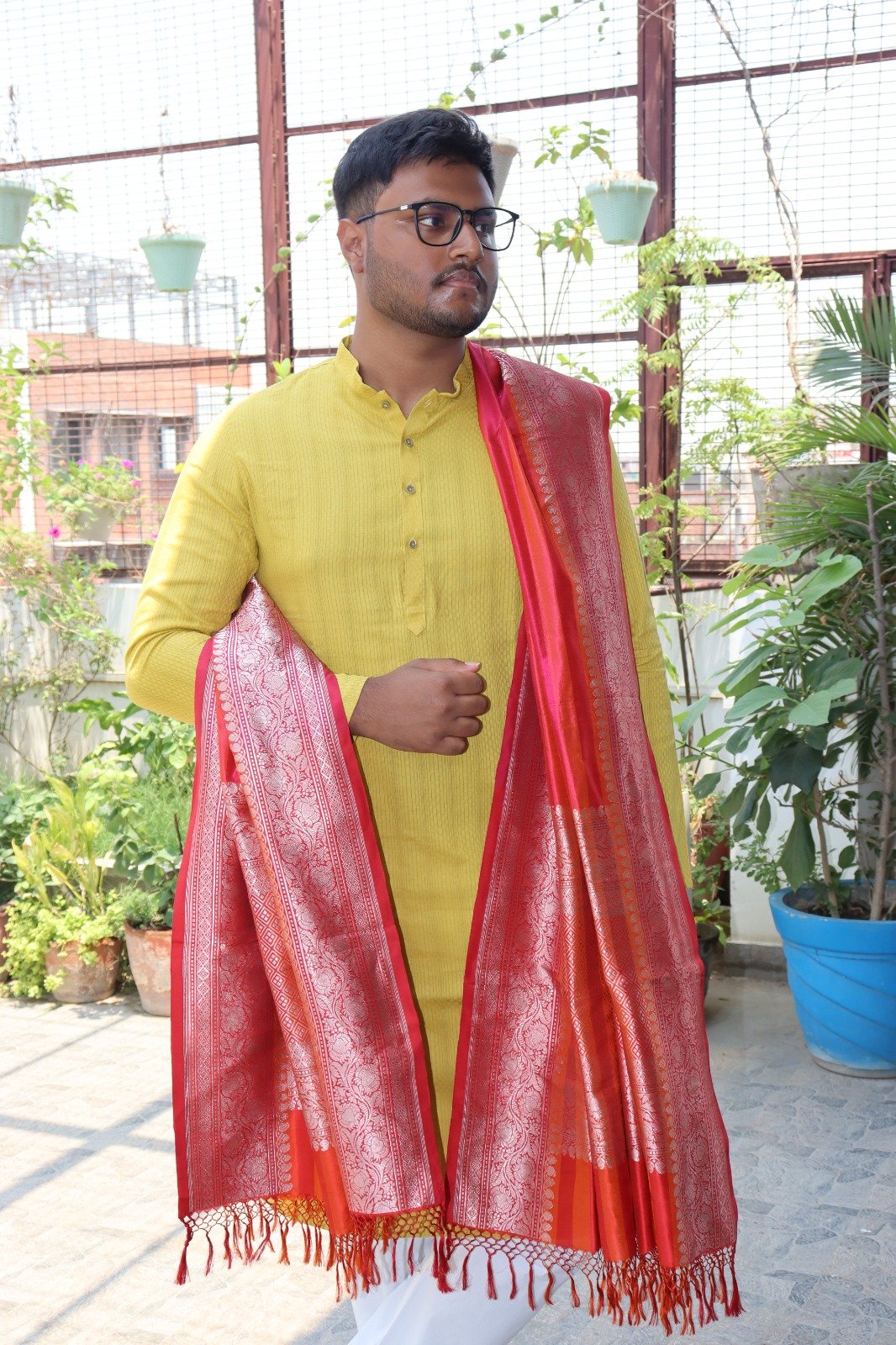
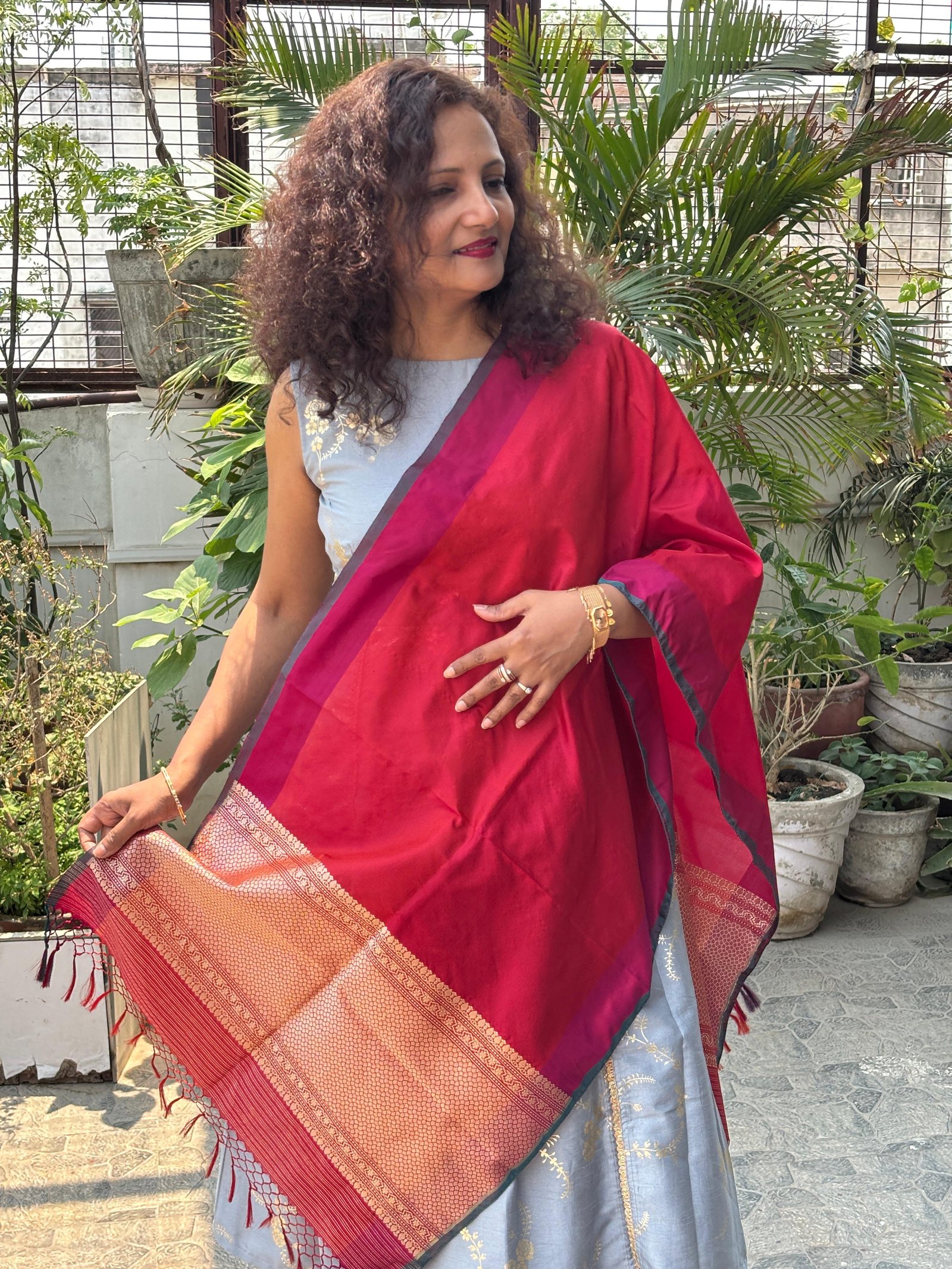

Every Banarasi Weave is a Quiet Promise to the Planet
As the world observes World Environment Day on 5th June, conversations around climate change, sustainability, and responsible living have become more important than ever.
The choices we make every day — what we eat, how we travel, and even what we wear — leave an environmental footprint on our planet.
At Dharohar Weaves, our mission has always been to preserve the timeless heritage of Banarasi handloom weaving and support the skilled artisans who keep this centuries-old craft alive. But beyond culture and craftsmanship lies another important truth:
Handloom is one of the most environmentally conscious forms of textile creation.
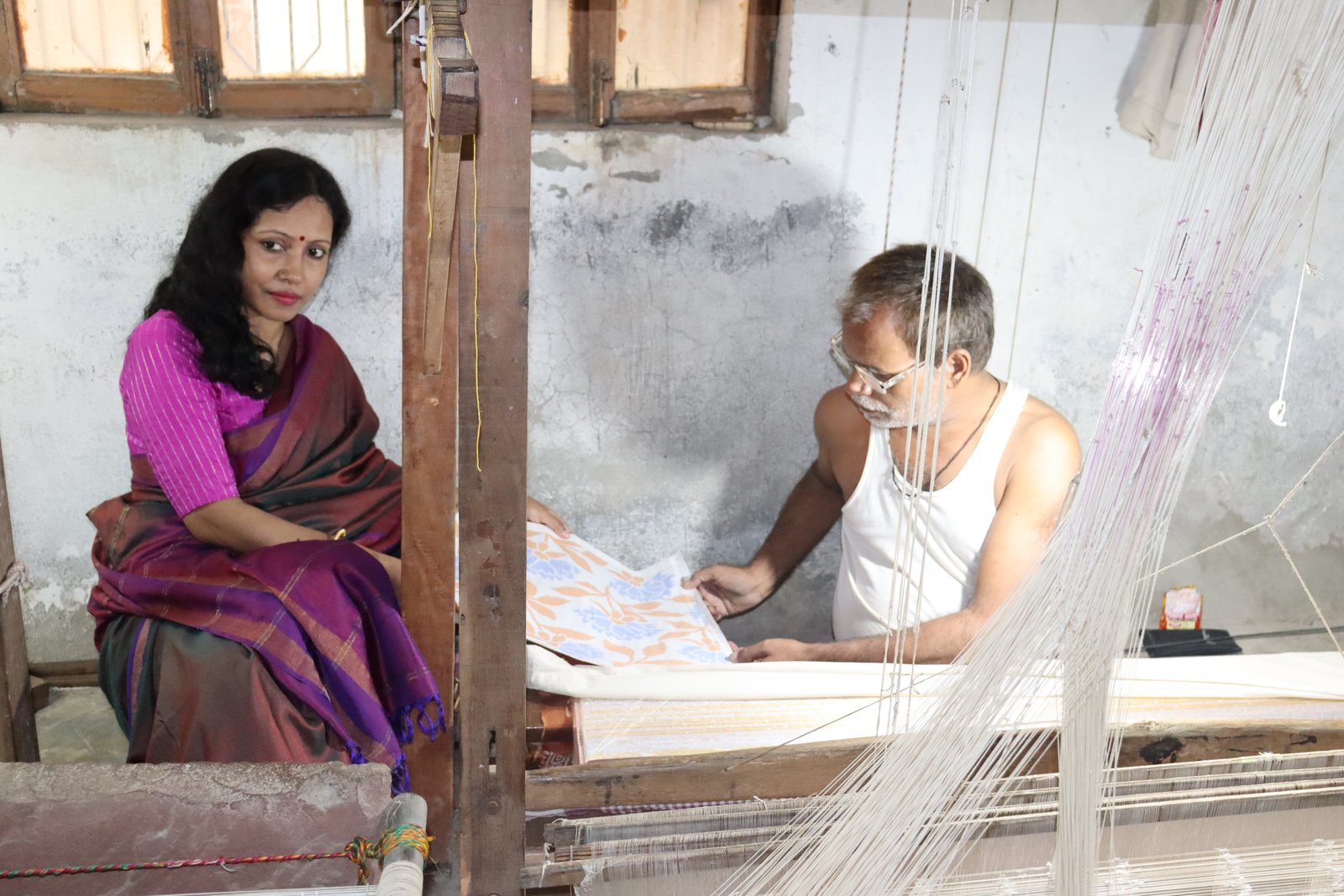
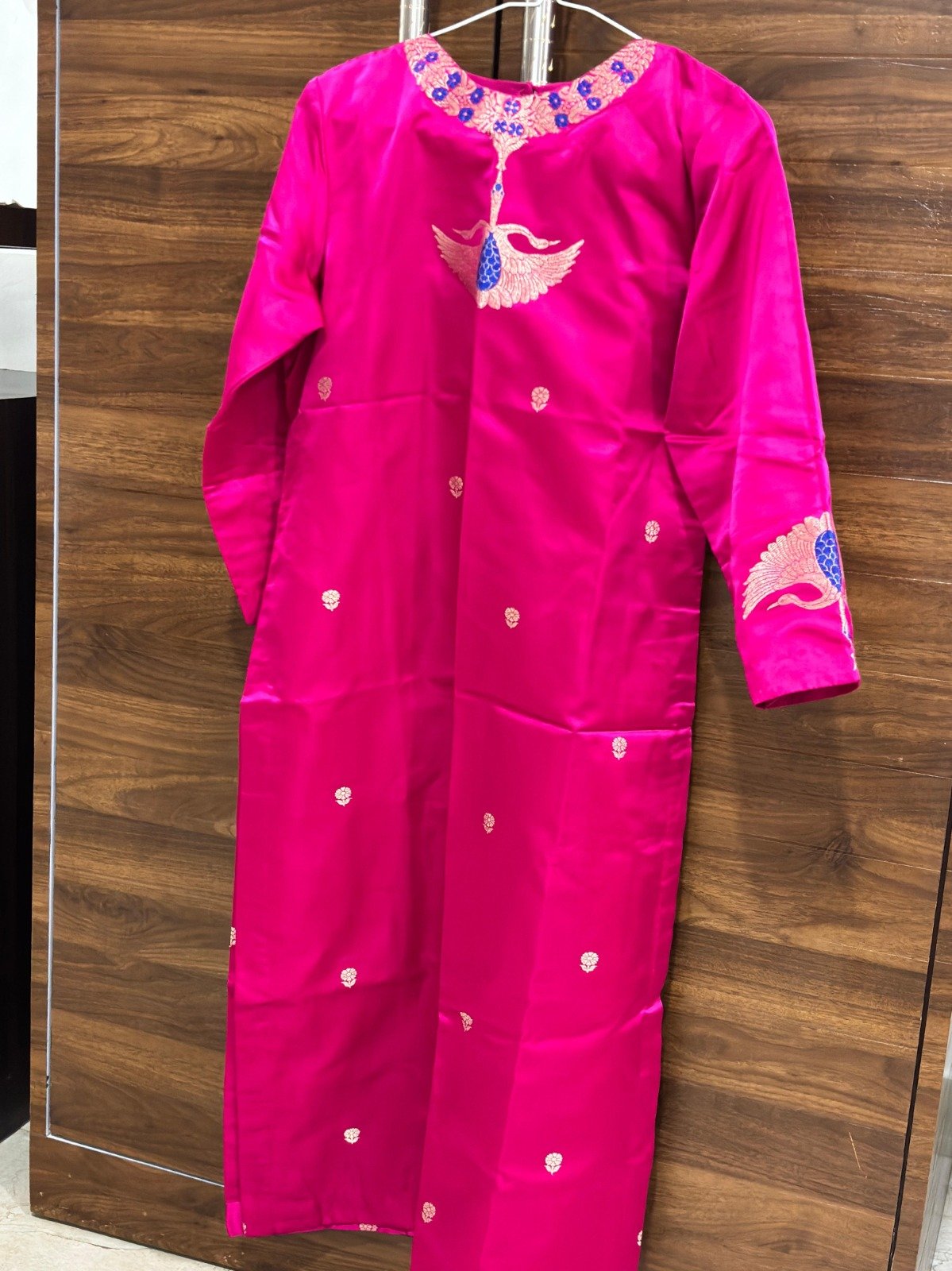
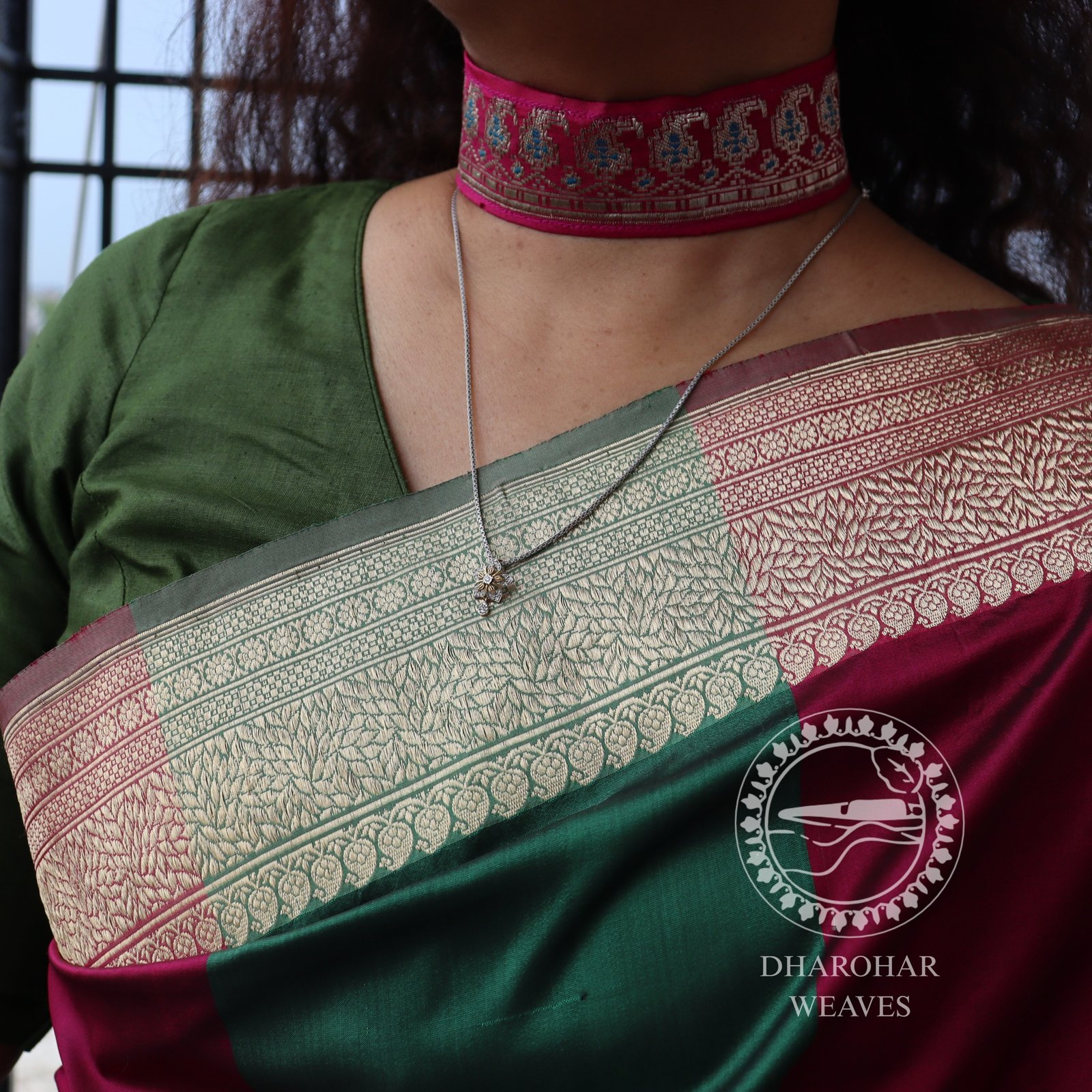
Unlike mass-produced fast fashion, Banarasi handloom weaving is a slow, mindful process. A traditional wooden loom is operated by human skill rather than energy-intensive machinery. Every motif is patiently woven, every thread thoughtfully placed, and every saree created with a respect for both craftsmanship and resources.
Today, no manufacturing process is completely free of environmental impact. Yarn preparation, dyeing, transportation, and finishing all contribute to a carbon footprint. Modern weaving also uses chemical dyes in many cases, unlike the natural dyes that were traditionally used. Yet, when compared to the enormous resource consumption and waste generated by fast fashion, handloom textiles remain a far more sustainable choice.
The Carbon Footprint Difference
Studies estimate that the global fashion industry contributes nearly 10% of worldwide greenhouse gas emissions, making it one of the largest polluting industries in the world. Fast fashion is driven by mass production, excessive energy consumption, synthetic materials, long transportation chains, and garments designed for short-term use.
Research further suggests that the carbon footprint of fast-fashion consumption can be up to eleven times higher than traditional fashion systems, largely due to overproduction, frequent disposal, and intensive manufacturing processes.
In contrast, handloom weaving operates on a fundamentally different philosophy:
• Minimal dependence on electricity during weaving
• Small-batch production rather than mass manufacturing
• Greater use of natural fibres such as silk and cotton
• Longer garment lifespan, often extending across generations
• Reduced waste through mindful production practices
A Banarasi saree is rarely purchased for a season. It is treasured, preserved, celebrated, and often passed down as a family heirloom.
Traditionally, when a Banarasi loom is prepared, the warp (ताना) is set in a manner that allows multiple sarees to be woven together. In many weaving setups, a single loom preparation results in approximately four sarees being woven in one cycle.
This means that the resources involved in loom setting, design graph preparation, jacquard card making, and yarn preparation are distributed across multiple sarees rather than being repeated for every individual garment.
While precise carbon footprint figures vary depending on silk type, zari quality, dyeing methods, transportation, and finishing processes, the environmental impact per saree becomes significantly lower when compared with repeatedly manufactured fast-fashion garments designed for short-term use.
Most importantly, the environmental value of a Banarasi saree cannot be measured only by its production footprint.
It must also be measured by its lifespan.
A garment worn for a few months and discarded carries a very different environmental cost than a handwoven creation cherished for decades.
Weaving Culture. Preserving Nature.
When you choose a Banarasi handloom, you are not merely purchasing a textile.
You are supporting a weaver’s livelihood.
You are helping preserve an ancient craft.
You are encouraging slow fashion over disposable fashion.
You are making a conscious choice towards a more sustainable future.
At Dharohar Weaves, every weave carries a story of heritage, human skill, and environmental responsibility.
Because true luxury is not created by speed.
It is created by patience, purpose, and respect for the world we leave behind.
This World Environment Day, choose fashion that lasts longer than trends.
Choose handloom.
Choose heritage.
Choose a lighter footprint on the Earth
“A Banarasi handloom is not merely woven with threads; it is woven with time, tradition, and responsibility towards the future.”